Ring anatomy
Six ring terms to know before you talk to a jeweler
Knowing what each part does lets you describe the design and fit you want more clearly.
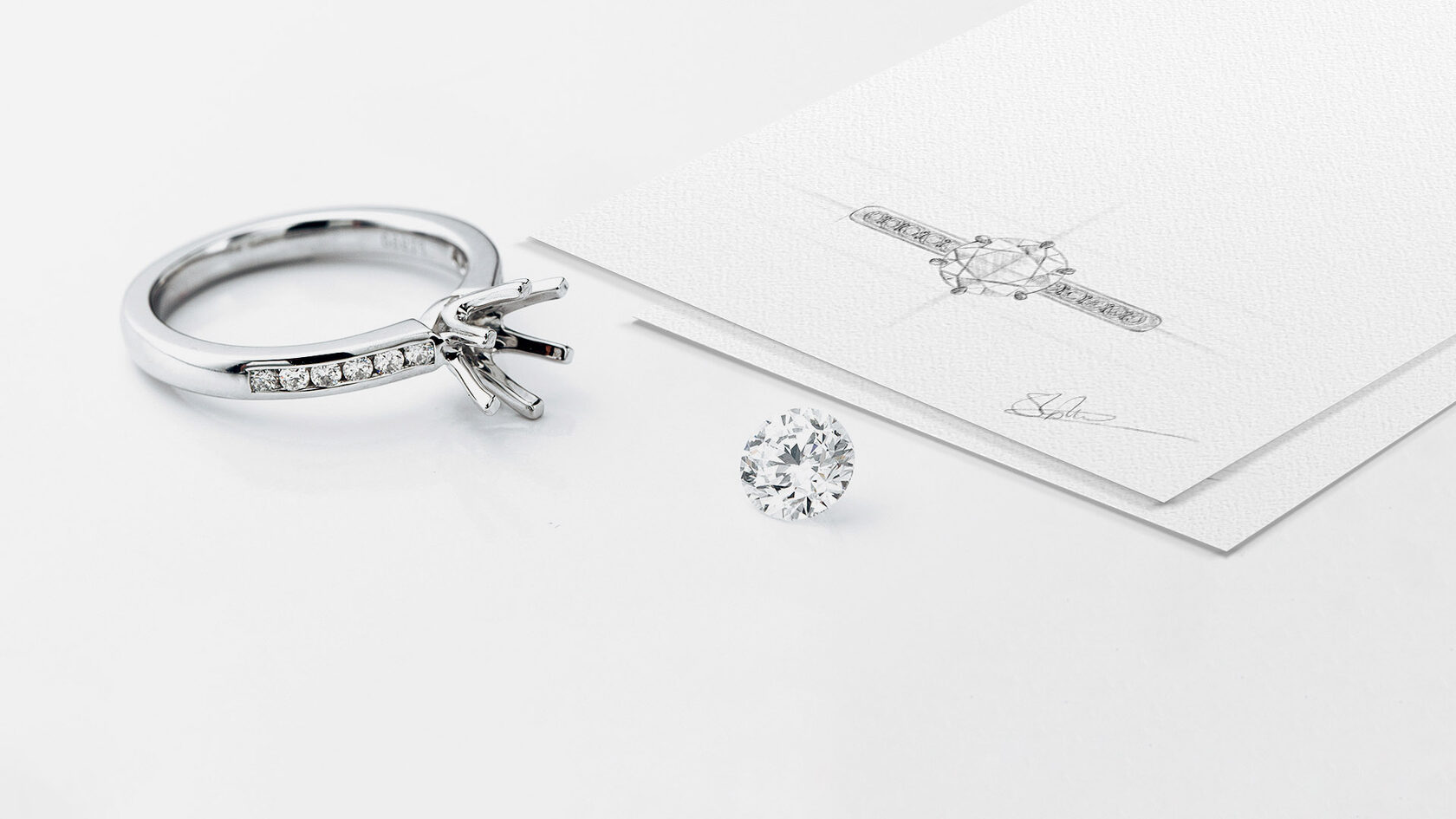
Holds the center stone
Head
The top of the ring that supports the center stone and shapes how light enters it.
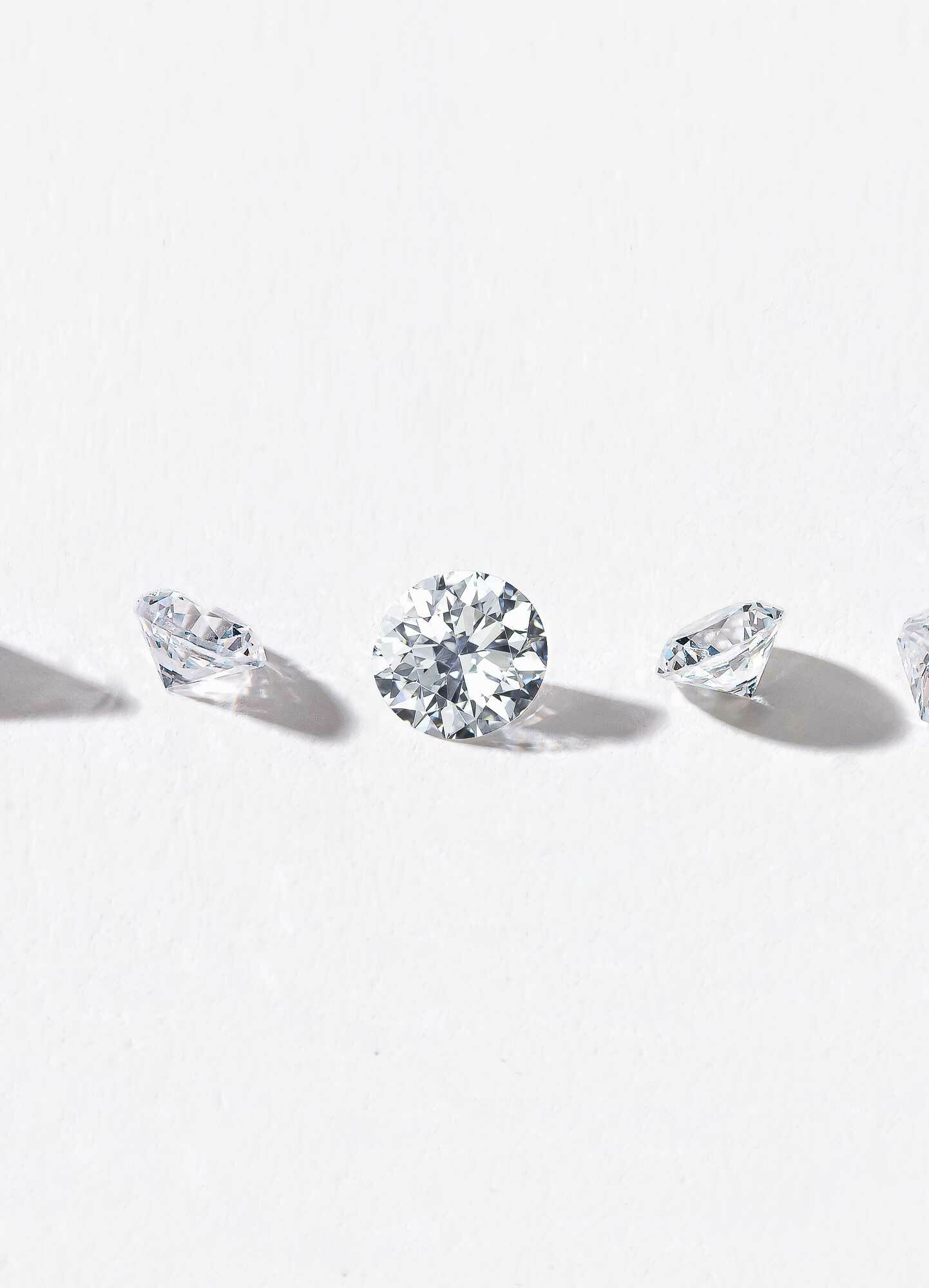
The center stone
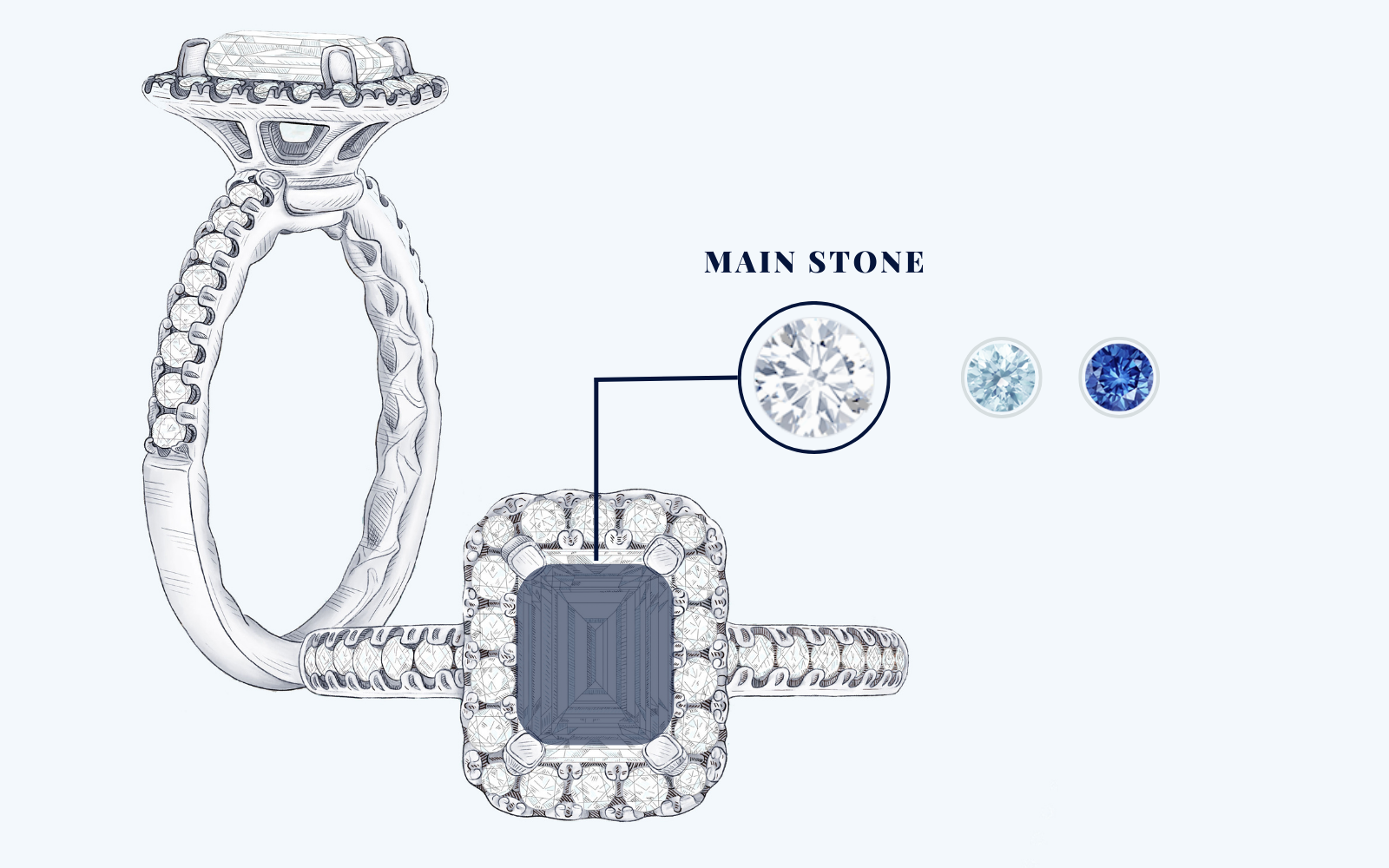
Main stone
The diamond or colored gemstone at the heart of the ring that draws the eye first.
Accent and side stones
Sub stone
Decorative stones around the center stone that add size and sparkle.
Grips the stone
Prong
Small metal claws that hold the stone firmly in place, like a hawk’s talons.
Joins head and band
Shoulder
Like a person’s shoulders, the part where the head flows naturally into the band.
Circles the finger
Band
The circle that wraps your finger. Its width, thickness and profile determine how it feels.
Head: a safe and beautiful stone setting
The head’s most important job is to keep the stone secure while letting in as much light as possible. A prong setting exposes more of the stone for rich sparkle, while a bezel setting wraps the girdle to lower the risk of impact damage and loss.
A good setting withstands everyday knocks without hiding too much of the stone. The right structure depends on the stone’s shape and how you wear your jewelry, so weigh security and brilliance together at the design stage.
Center stone: the star of the ring
The budget is usually built around the center stone. But a grading report and grades alone cannot tell you everything that varies within a single grade: where the inclusions sit, the actual color, and how the stone plays with light.
Compare several stones within your budget in person or through magnified video, and work with a specialist who can pick out stones with better beauty and durability within the same grade.
Side stones: the supporting cast
Side stones make the center stone look larger and more striking, and their small flashes of light give the whole ring rhythm. Besides diamonds, other precisely cut stones can also be a good choice depending on the design.
When many small stones are set, as in pavé, it takes careful metalwork and even prongs to keep them from coming loose. For a ring you will wear often, check maintenance and repairability as closely as beauty.
Prongs: the smallest structure guarding your stone
A skilled setter secures the stone firmly with prongs and smooths their tips so they will not catch on clothing. Prongs that are too thick or too tall can cover the table and sides of the stone, dulling its brilliance and balance.
Look from the top and the side to check that the prongs are evenly spaced and shaped, holding the stone securely without blocking the light.
Shoulders and band: balancing silhouette and comfort
Joins head and band
Shoulder
If a tall head tends to snag or bump, the shoulders can be designed to ease the transition between head and band. Their width and height are tuned to draw the eye naturally to the stone.
Circles the finger
Band
Width and thickness to match the head, the curve of the profile against your finger, and the softness of the edges are decided together. For a ring worn daily, a comfortable inner fit can matter more than an unusual shape.