4-step roadmap
The order of choices for your special day
- STEP 01
Set a budget
Agree on a range you both feel good about, and your priorities between center stone and metal.
- STEP 02
Choose the ring
Compare style, metal, size and everyday comfort.
- STEP 03
Choose the diamond
Look beyond the 4Cs and the report to the actual inclusions and how the stone moves light.
- STEP 04
Check packaging and aftercare
Review the grading report, warranty, cleaning and repairs: the services that keep it beautiful.
Step 01
The right budget is the one you are both comfortable with
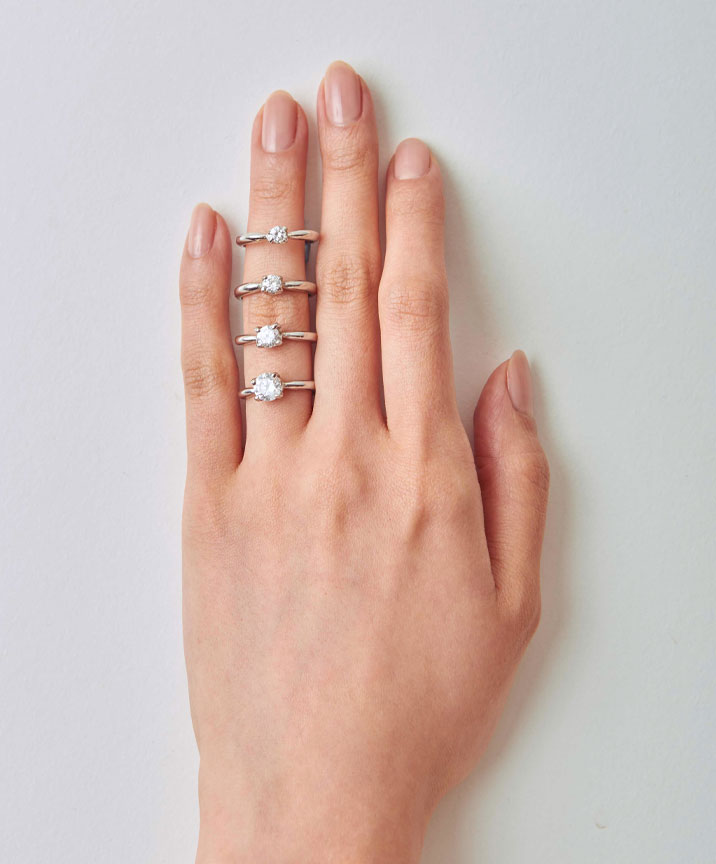
Unlike everyday purchases, wedding rings and diamonds hold the value of gold and gemstones, so accurate information matters. People once spent three months’ salary on a proposal ring or treated 1 carat as the standard, but today many couples choose 0.1 to 0.5 carat stones that are easy to wear every day.
There is no perfect formula. The right budget is simply the amount you both feel secure with. Put the ring’s meaning first, then decide where to put the weight: center stone, design or metal.
When you want a larger size or higher grade
Lab-grown diamond
The same crystal structure and optical properties as a natural diamond, on a smaller budget.
Small stones, or none at all
Band-focused design
Focus on the form and finish of the metal rather than a center stone for a sturdy, everyday ring.
0.9 ct instead of 1 ct
Just under a benchmark weight
Keep the visible difference small while taking advantage of the price jump at symbolic weight thresholds.
Step 02
Choose style, metal and size together
For a ring you will keep forever, look past the first impression to a structure and fit that will last.
Platinum offers high durability and a white that never changes, while white gold is more accessible to make and maintain. Yellow gold and rose gold add warmth depending on your skin tone and the jewelry you usually wear.
Many couples choose 18K, with its higher gold content, for wedding rings, while 14K is a good alternative for lighter everyday pieces. If your skin is sensitive, compare 18K or higher, or platinum, first.
One center stone
Solitaire
The most classic, timeless style, focusing every eye on a single center stone.
Three stones side by side
Three stone
Three stones create abundant sparkle in a romantic style that also suits casual everyday wear.
Paved with small diamonds
Pavé
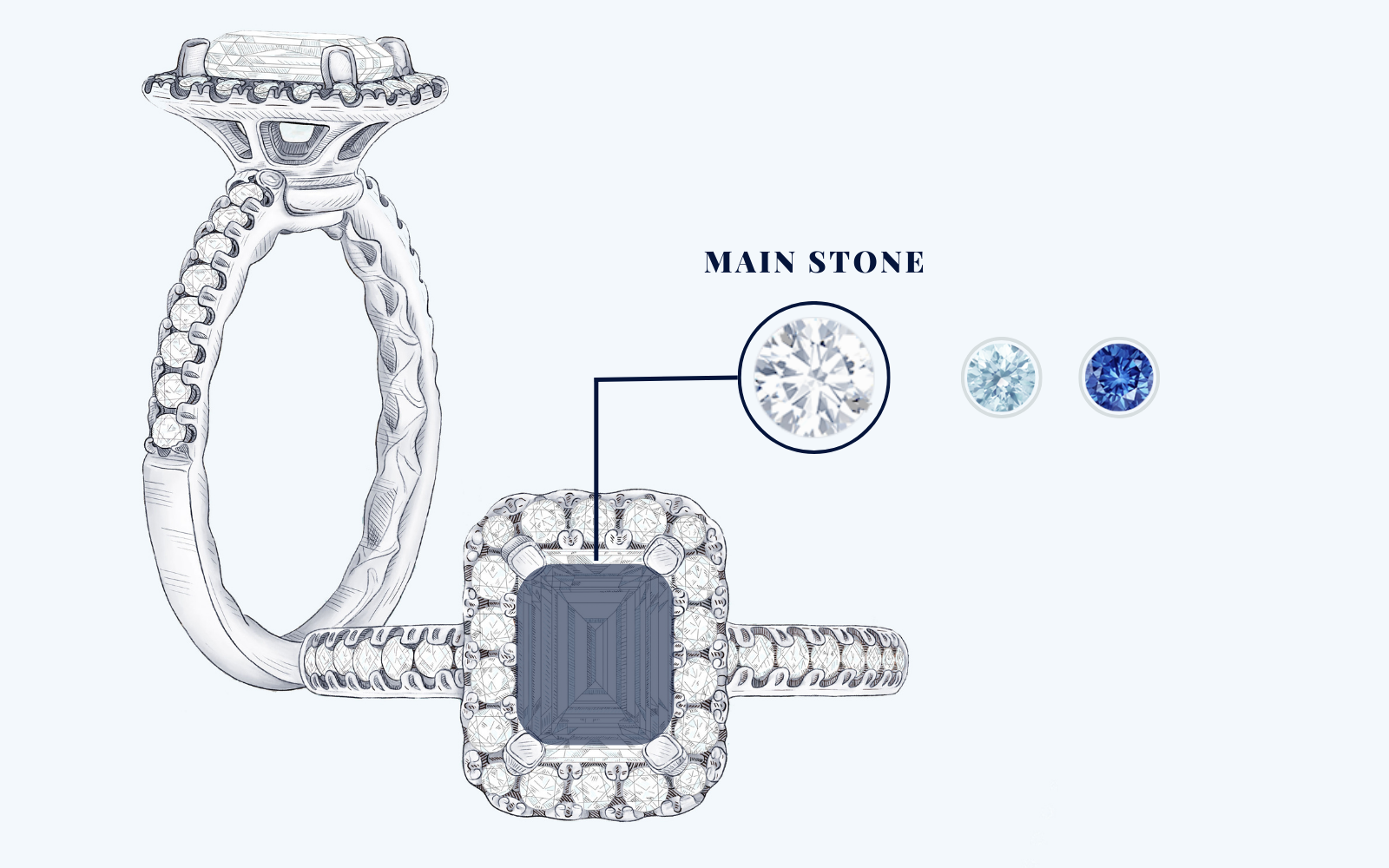
Closely set small stones give rich volume and brilliance even with a modest center stone.
Step 03
Look at the actual diamond, not just the grades
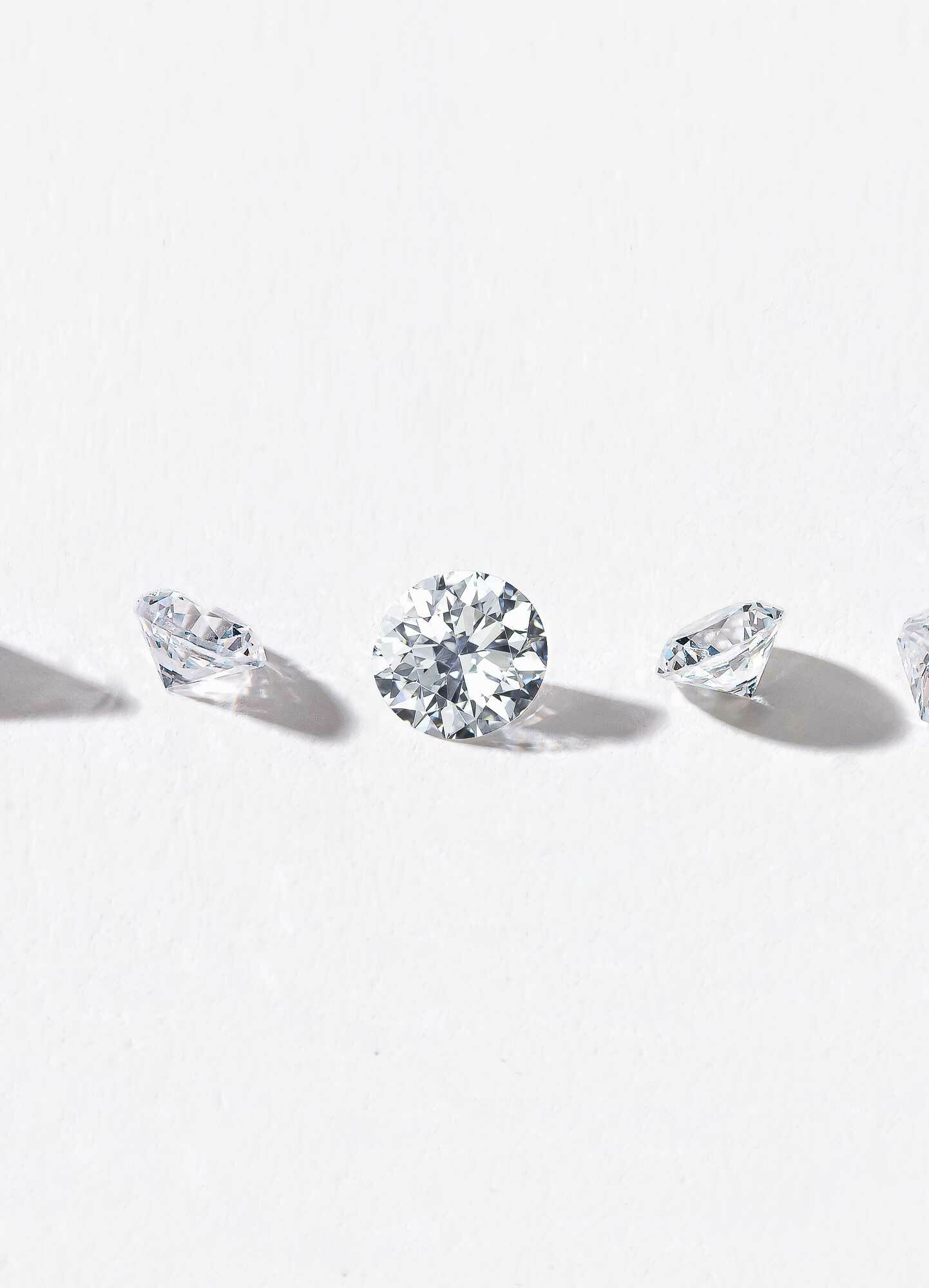
The 4Cs are useful for comparing specifications, but they cannot capture every inclusion and every play of light, which are as individual as fingerprints. Diamonds of the same grade can differ in price and appearance depending on inclusion position, the rough and the cutting, and the seller’s pricing.
Check inclusions and the surface in magnified video, and compare brilliance and color from several angles. Always confirm that the report number matches the actual stone.
- Check the report number from a reputable grading lab and the laser inscription.
- Compare the side profile and actual measurements, not just the face-up view.
- Make sure no inclusion sits near the girdle where it could affect durability.
- Compare color and brilliance under several lighting conditions, not just one.
Step 04
Care that lasts longer than the moment of purchase
Jewelry keeps its beauty for years, but daily wear can loosen prongs or scratch the surface. Check whether the jeweler offers regular cleaning, stone checks, resizing and replating.
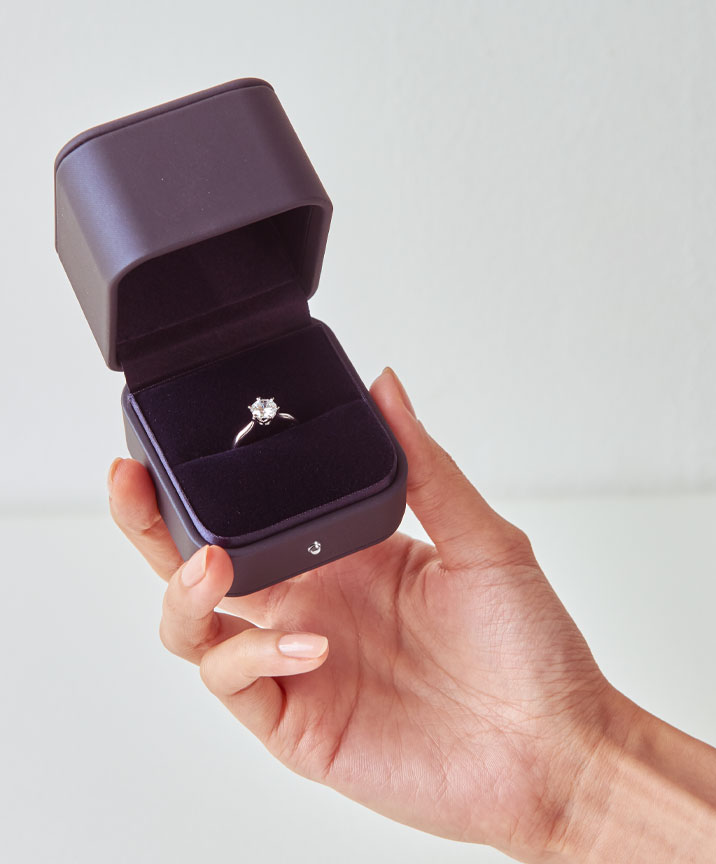
Confirm that the grading report you receive matches the grade and number of the stone you were shown, and keep the warranty terms and paid-service policy on file. If it is a gift, take a final look at packaging that protects the ring and makes the moment special.