One carat guide
1 carat: a symbol of eternal love
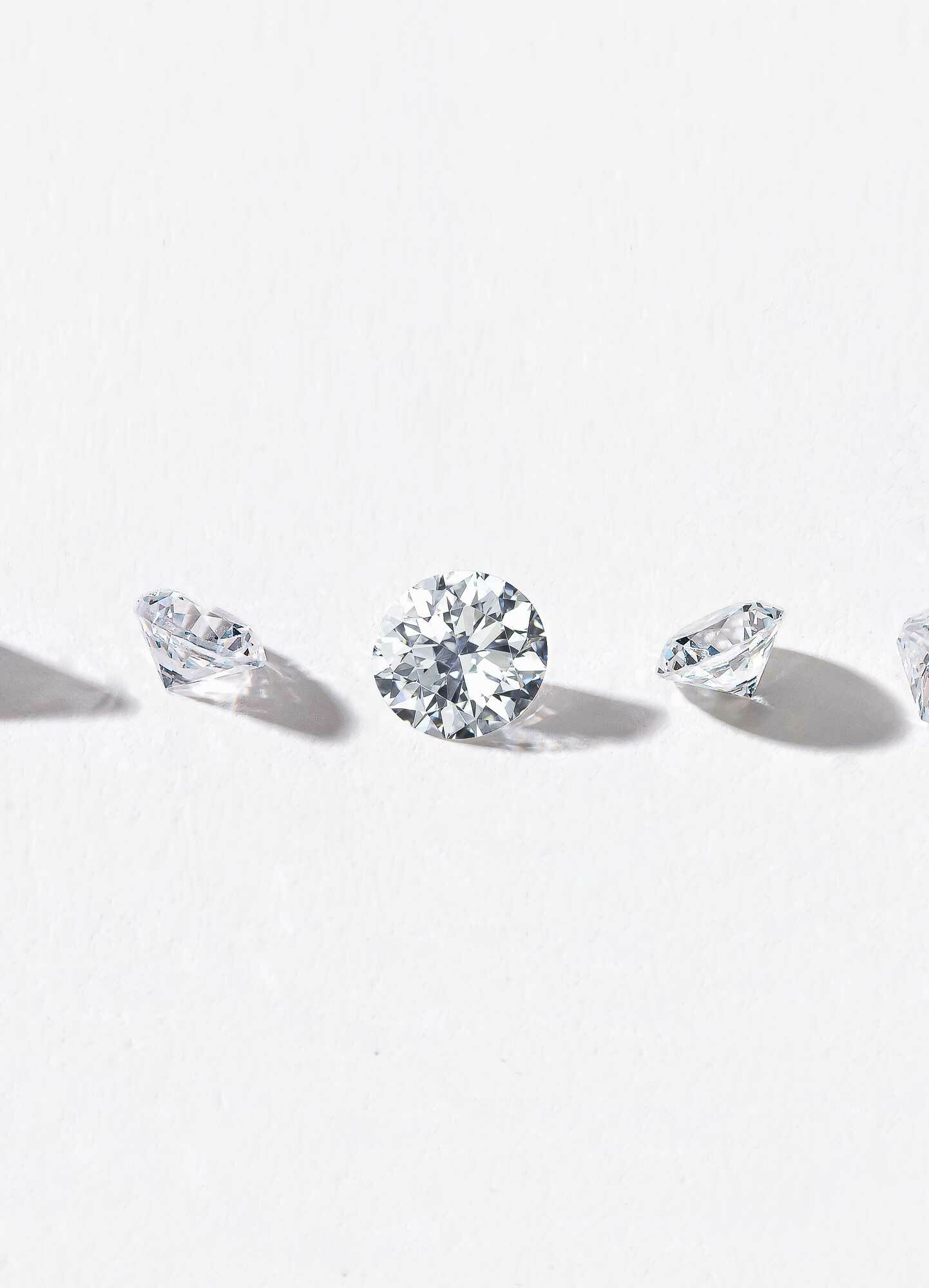
Diamonds endure hundreds of millions of years before cutting and polishing reveal their extraordinary clarity and light. With a hardness of 10 on the Mohs scale and a brilliance that never fades, they have long symbolized a promise that lasts forever.
A 1 carat diamond is a significant purchase and deserves careful comparison. To balance quality and budget, check the grading report, the 4C grades, real video of the stone and the setting craftsmanship, in that order.
Point 01
Check for a trustworthy grading report before price
Diamonds without a grading report, or with unclear sourcing, can look much cheaper. But there is no reliable way to know whether they have a hazy color, eye-visible inclusions or features that affect durability.
Like fingerprints, every diamond is different, so a report produced with professional equipment and standards serves as its ID. A less reputable report may grade color, clarity and cut higher than they really are.
Diamonds are not made by any particular brand. Comparing objective grading results, the actual beauty of the stone and the seller’s selection standards, rather than brand names, leads to a smarter choice.
Point 02
Grades that match a larger size
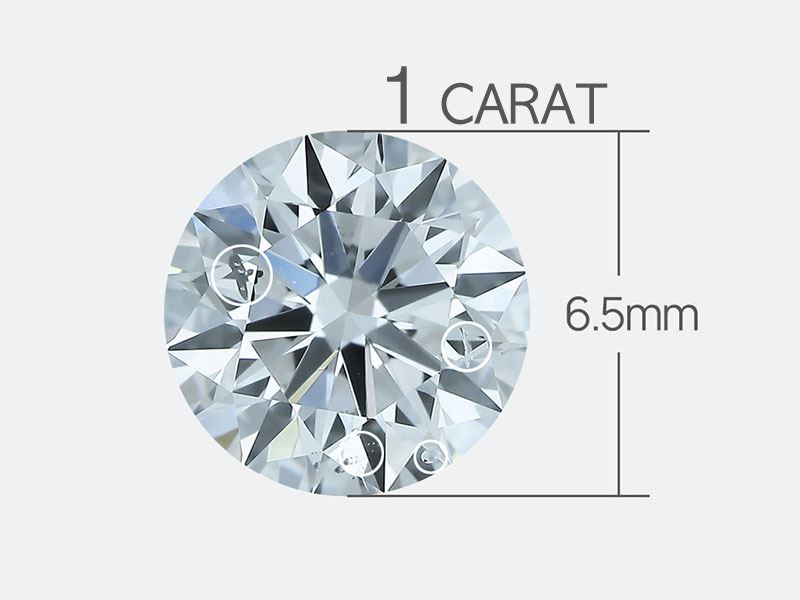
A 1 carat round diamond averages about 6.5 mm across. At larger sizes, inclusions and color are easier to see, so it is worth raising your standards a little.
Diamonds resist scratches extremely well but can chip under a hard knock. Repolishing a damaged edge reduces weight and can take a stone below 1 carat, and crossing that symbolic threshold can change its value significantly.
Recommended clarity
VS or better
An eye-clean SI1 can be a good choice, but for a cleaner look, start comparing from VS2 up.
Recommended color
F or better
Color shows more at this size, so for the bright, icy look that is especially popular in Korea, compare F or better first.
Recommended cut
Very Good or better
Choose Very Good or better for rich fire and brilliance, or Excellent to maximize sparkle.
Point 03
A secure setting to protect a beautiful design
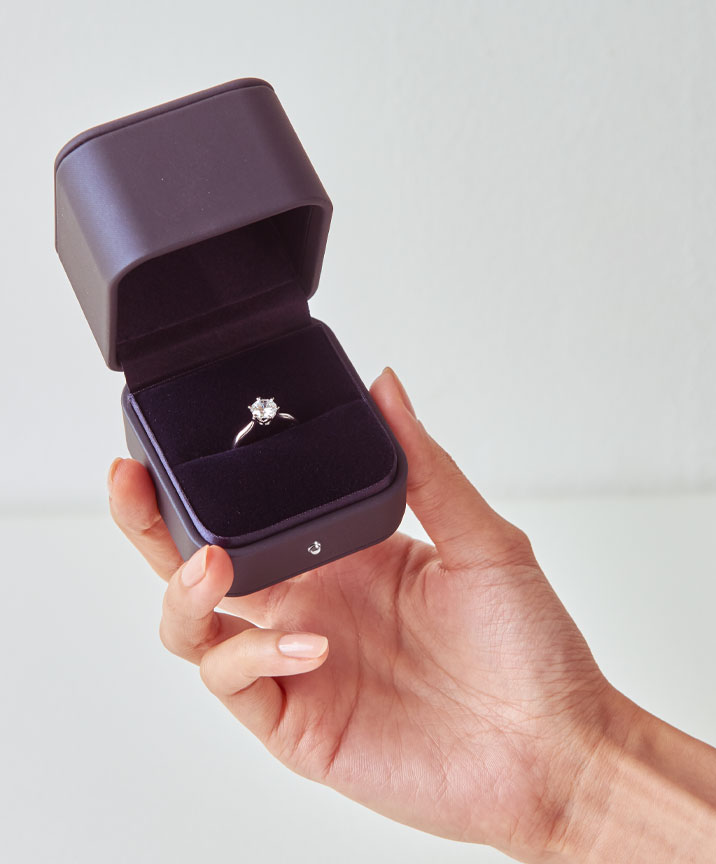
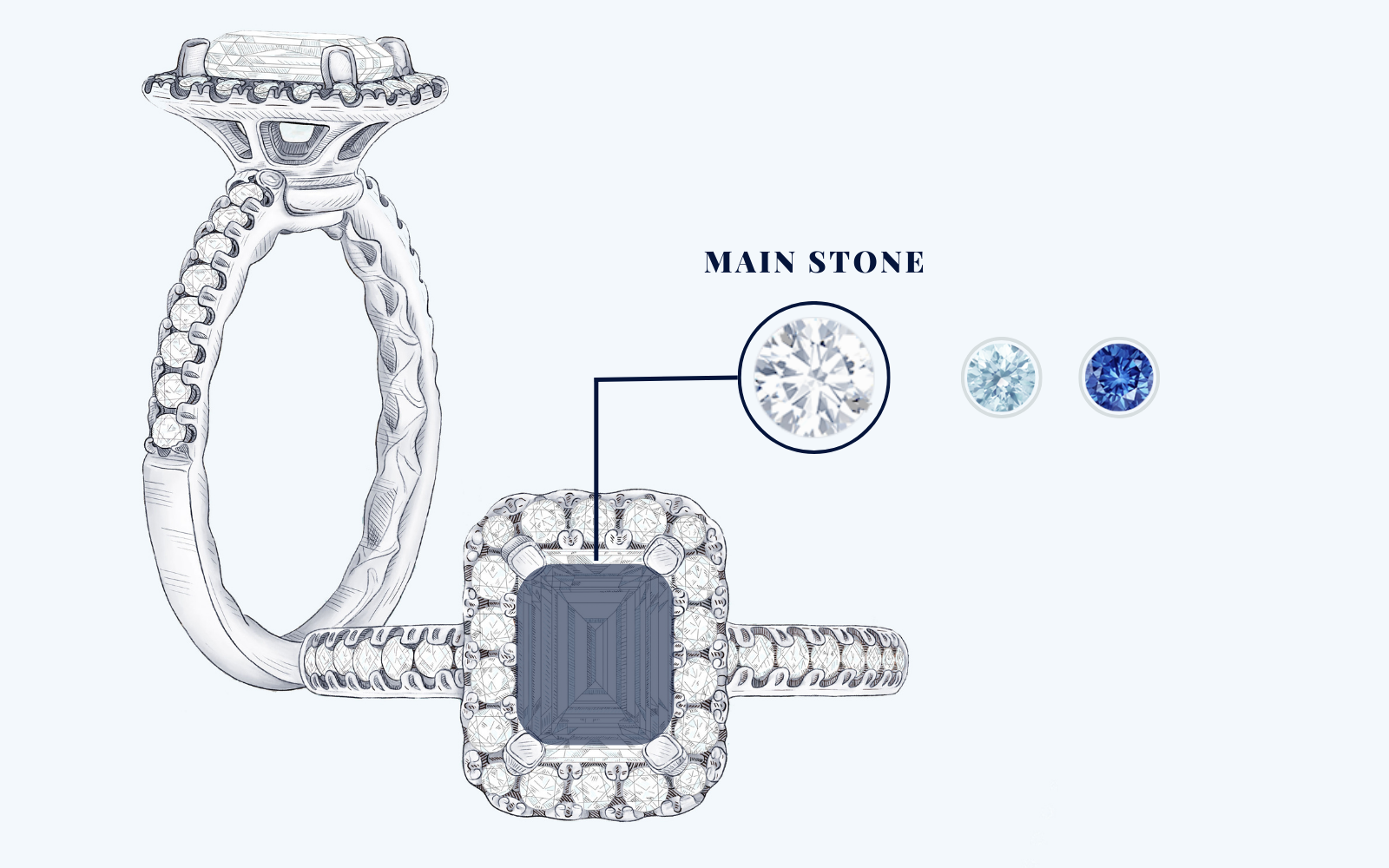
You can choose from many designs, from solitaire to halo to three-stone, but above all a 1 carat center stone must be held securely.
If the prongs are not set precisely, or spread after repeated knocks, the stone can be lost. Whatever the design, you need craftsmanship that holds the stone firmly, regular checks and professional aftercare.
- Check that the prongs are even in height and spacing and do not catch on clothing.
- The setting should protect the girdle and crown well without covering too much of the stone.
- Make sure the jeweler offers regular prong checks, cleaning and repairs.
- Before ordering, confirm whether insurance or the warranty covers loss of the stone.
Budget tip
Over budget? Consider a lab-grown diamond
Rather than settling for a stone with no report or uncertain value, a lab-grown diamond lets you enjoy the size and brilliance of 1 carat on a smaller budget.
Lab-grown diamonds are grown in a lab, but they share the same carbon crystal structure and optical properties as natural diamonds, and are hard to tell apart by eye. Because they take less time to produce, you can choose the same size and grade for less.
A final check before buying 1 carat
Report
Do the reputable report number and laser inscription match the actual stone?
Balance
Have you compared color, clarity and cut suited to the size in real video?
Weight
Have you checked the weight, allowing for possible repolishing, and the actual diameter?
Setting
Will you get a secure setting by a skilled maker and regular check-ups?